
Across much of Africa, the sun sets and the power simply isn’t there. Even today, hundreds of millions of people live without access to a national electricity grid but a quiet revolution is changing that faster than most official statistics realize.
The Problem: No Grid, No Power
Rural electrification across Africa has historically lagged far behind cities, leaving huge numbers of households relying on candles, kerosene lamps, or nothing at all once the sun goes down. Extending traditional power grids into remote areas is slow and expensive poles, wires, and substations have to reach every village, which can take decades in low-density regions.
The Solution: Skip the Grid Entirely
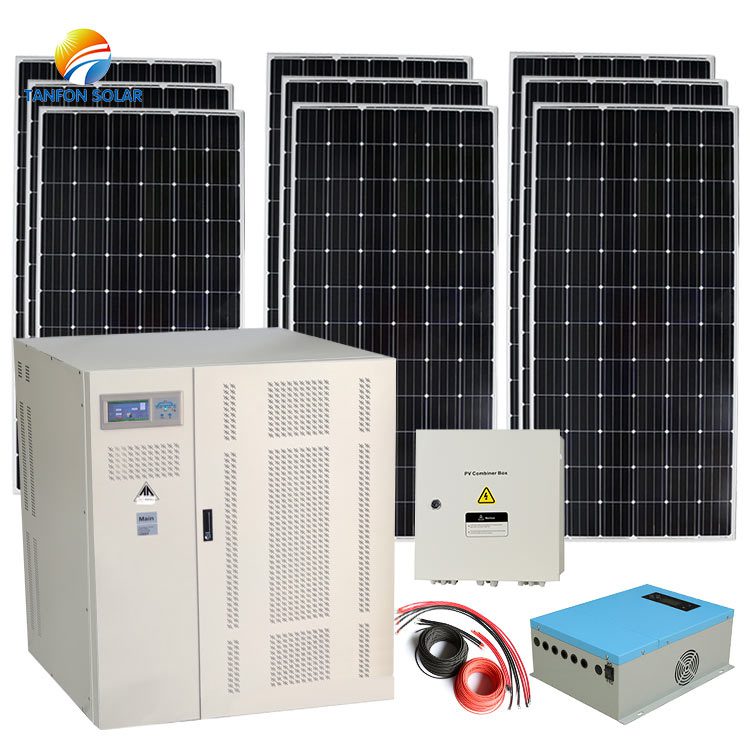
Off-grid solar flips the model. Instead of waiting for power lines, a home installs its own small solar system a rooftop panel, a battery, and a few basic outlets and generates and stores its own electricity on-site. No wires from a distant power station required.
A basic system typically works like this: a rooftop or standalone panel charges a battery during the day, and that battery powers lights, phone chargers, radios, and small appliances at night. Many rural households now start with small “solar home system” kits, then upgrade to larger setups as their needs grow powering a fridge, a fan, or even a small business.
The Numbers Are Staggering
This shift isn’t a small trend it’s arguably the biggest story in African energy right now. According to new analysis from energy think tank Ember and the African Tech Futures Lab, Africa is set to install a record 17 gigawatts of new solar capacity in 2026, a 45% jump from the previous year equivalent to roughly 100,000 solar panels being installed every single day across the continent. Around three-quarters of that growth comes from small, distributed systems like rooftop and off-grid installations, which are so widespread that official government statistics are actually undercounting them.
Solar is now growing in every African country, and in ten nations including Sierra Leone, Togo, and the Democratic Republic of Congo new 2026 solar installations alone are expected to add more than 10% to the entire country’s annual electricity generation. South Africa, long the continent’s solar leader, is for the first time expected to account for less than 20% of total African installations, as growth surges elsewhere.
Why Pay-As-You-Go Made the Difference
One of the biggest breakthroughs hasn’t been the panels themselves it’s how people pay for them. Many households can’t afford to buy a solar system outright, so companies now offer “pay-as-you-go” solar: customers make small mobile-money payments over time, similar to topping up airtime, until the system is fully paid off. This financing model, combined with falling technology costs, has allowed millions of households across the continent to access reliable power for the first time often skipping the traditional grid entirely, the same way many countries skipped landline phones and went straight to mobile.
What This Means Going Forward
Off-grid solar isn’t a stopgap measure anymore it’s becoming a legitimate long-term power strategy in its own right. For businesses, solar paired with battery storage is now cost-competitive with grid electricity and often far cheaper than running diesel generators, especially in areas with frequent outages. For households, it means light at night, a charged phone, and the ability to run a small enterprise without ever needing a utility pole nearby.
At Adexa Power World, we understand that reliable power shouldn’t depend on where the nearest grid line ends. Whether it’s a home system, a small business setup, or scaling toward a larger installation, we help bring dependable, self-sufficient solar power to the people who need it most.