
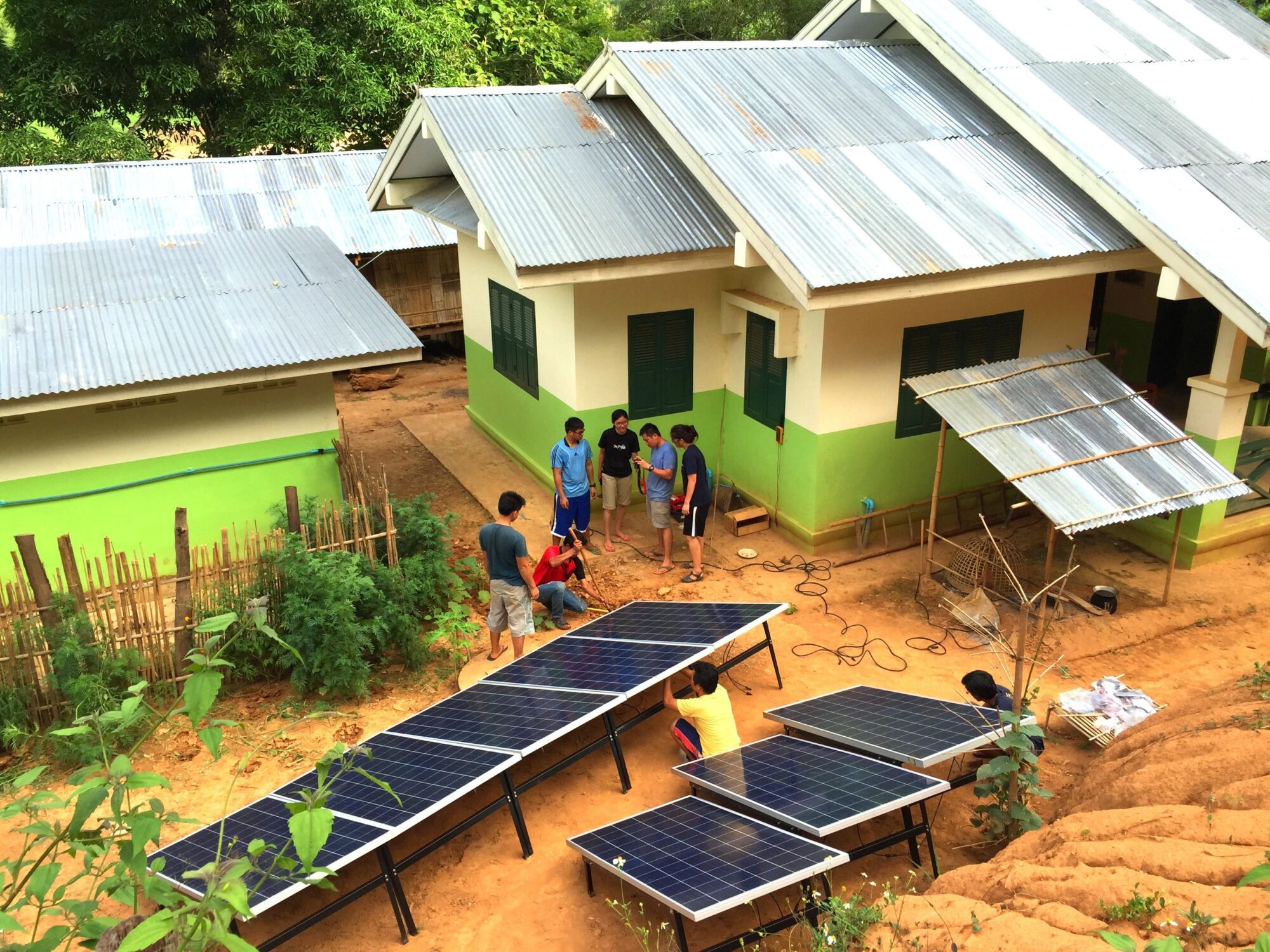
Solar panels are celebrated for clean energy, but few people ask a simple question: what happens after 25 or 30 years, when they stop working well? As the first big wave of installations reaches retirement age, solar recycling is quickly becoming one of the most important topics in the industry.
Panels Don’t Last Forever
Most solar panels are designed to run for 25 to 30 years. After that, they don’t suddenly stop. They gradually produce less power each year. Eventually, replacing them makes more sense than keeping them. Because solar boomed worldwide over the past two decades, large numbers of panels will be retired in the coming years.
What’s Inside a Panel
A panel is mostly glass, along with an aluminum frame, silicon cells, copper wiring, and plastic layers. Most of these materials are valuable and recyclable. Glass and aluminum make up the bulk of the weight, while smaller amounts of silver, copper, and silicon are worth recovering. Some panel types contain trace amounts of other metals that must be handled responsibly so they don’t end up in soil or water.
Why Recycling Is Hard
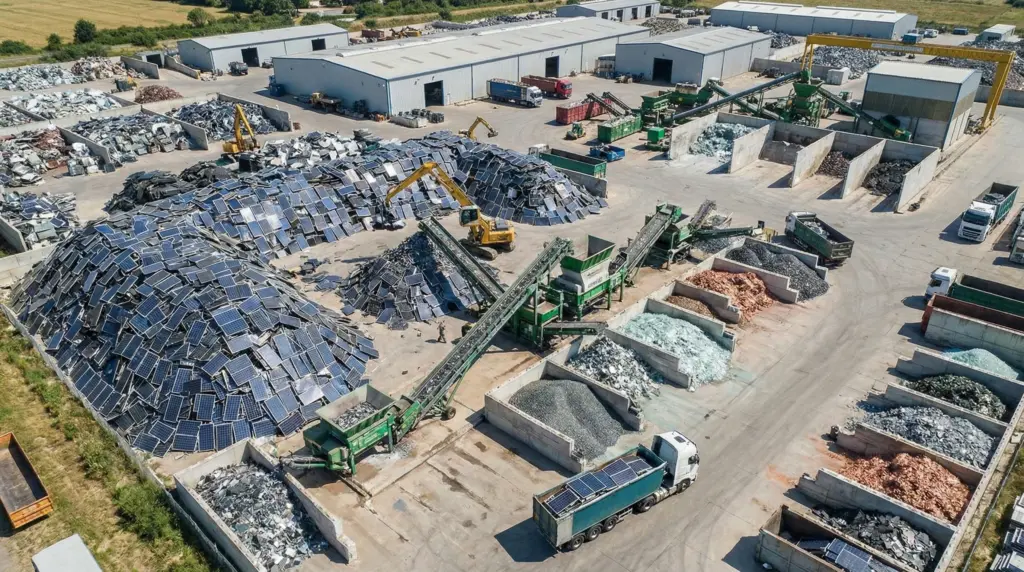
The difficulty is that panels are built to survive decades of sun, wind, and rain. The layers are bonded tightly together, which is great for durability but makes separating materials tricky and costly. In many places, sending old panels to landfill is still cheaper than recycling them, so there is little financial pressure to do the right thing.
The Good News
Recycling technology is improving, and some facilities can already recover a large share of a panel’s materials. Many countries and regions are also introducing rules that make manufacturers or owners responsible for end-of-life panels. Meanwhile, designers are working on panels that are easier to take apart from the start.
Reuse Before Recycling
Not every retired panel is truly finished. A panel that has dropped in output may still work well for smaller jobs, such as powering lights, charging phones, or running small pumps. In places where electricity access is limited, reused panels can extend their usefulness for years before recycling is needed.
What You Can Do
If you own solar panels, ask your installer about their end-of-life plan before you buy. Keep records of your system, avoid dumping broken panels, and look for certified recyclers or take-back programs when the time comes. Choosing reputable brands that support recycling also helps build the demand the industry needs.
So…
Solar is a clean source of energy, and making sure its equipment is handled responsibly at the end of its life completes that story. Building a strong recycling system now will protect the environment and recover valuable materials. It will also keep solar’s reputation as clean as the power it produces.