
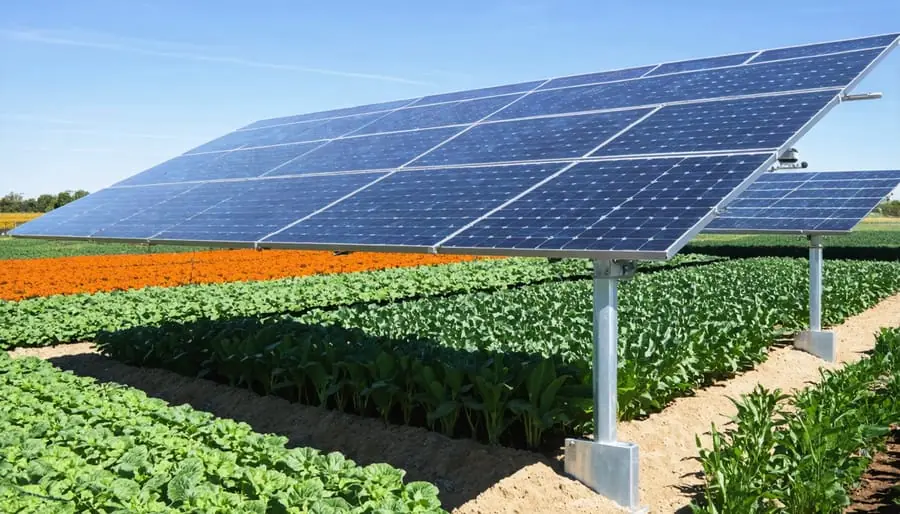
By Adexa Power World | Reliable solar solutions for homes and businesses
One of the first questions we hear from customers is: “How many solar panels do I need?” It is the right question to ask. Install too small a system and you will still be running short on power and relying on the grid or a generator. Install too large and you will have paid for capacity you never use.
The good news is that sizing a solar system is not guesswork. It follows a clear process, and once you understand it, you can make a confident estimate before you ever speak to an installer. In this guide, we walk you through it step by step.
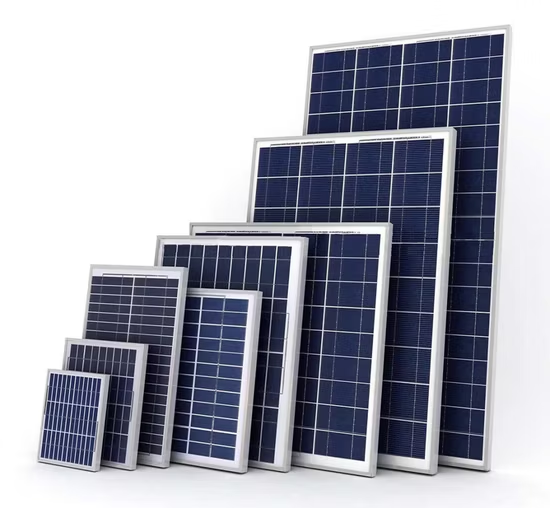
Why Solar Panel Size Matters
Solar panels are rated in watts (W), and a system’s total size is measured in kilowatts (kW). The size you need depends on how much electricity you use, how much sunshine your location receives, and what you want the system to do: cut your electricity bill, back up the grid, or run completely off-grid.
Getting the size right means:
- Lower costs. You pay only for the capacity you need.
- Reliable power. Your appliances run when you need them, including in the evening.
- Longer system life. Properly matched panels, batteries, and inverters work better and last longer.
Step 1: Work Out How Much Electricity You Use
Everything starts with your energy consumption, measured in kilowatt-hours (kWh). There are two easy ways to find it:
- Check your electricity bill or token history. If you are on a metered supply, your monthly units (kWh) divided by 30 gives your daily use.
- Add up your appliances. If you do not have a reliable bill, list each appliance, its power rating in watts, and the hours you use it each day. Multiply watts by hours, then divide by 1,000 to get kWh.
Step 2: Know Your Peak Sun Hours
Peak sun hours are the number of hours each day when sunlight is strong enough for panels to produce their rated output. This is not the same as daylight hours. East Africa is well placed for solar, with many locations receiving roughly 4.5 to 6 peak sun hours per day, though this varies by region and season.
For quick estimates, 5 peak sun hours is a sensible starting figure. When you work with Adexa Power World, we use data for your specific location and roof orientation to refine this number.
Step 3: Calculate the Panel Capacity
Solar systems never deliver 100 percent of a panel’s rated output. Heat, dust, wiring, and the inverter all cause losses, so we usually allow for a system efficiency of around 75 to 80 percent.
The formula is:
Solar array size (kW) = Daily energy use (kWh) ÷ Peak sun hours ÷ System efficiency
Using our small home example:
3.2 kWh ÷ 5 hours ÷ 0.75 = about 0.85 kW
Rounding up, this home needs roughly 1 kW of solar panels. With modern 500 W panels, that is two panels. We always recommend rounding up slightly to leave room for future appliances.
Step 4: Decide on Batteries and Inverter Size
Panels are only part of the picture. Two other components must be sized to match:
Batteries. If you want power at night or during outages, you need storage. Estimate how much energy you use after sunset, then divide by the battery’s usable depth of discharge. For example, lithium batteries can typically be used to a greater depth than lead-acid, so you need less nominal capacity for the same usable energy.
Inverter. The inverter must handle the total power of everything running at the same time, plus the surge when motors start. Fridges, pumps, and air conditioners draw much more at startup than while running, so add a safety margin.
Grid-Tied, Hybrid, or Off-Grid? It Changes the Size
- Grid-tied systems can be smaller because the grid fills any gap. They are mainly used to cut bills.
- Hybrid systems combine panels, batteries, and the grid for backup power during outages.
- Off-grid systems must be sized more generously, with extra panels and battery capacity to cover cloudy days, since there is no grid to fall back on.
Other Factors That Affect Your System Size
- Roof space and direction. Panels generally perform best facing the sun with minimal shading. Limited roof space may mean choosing higher-wattage panels.
- Shading. Trees, tall buildings, and water tanks can reduce output significantly.
- Future needs. Plan for new appliances, a growing family, or business expansion so you are not outgrowing your system in a year.
- Budget. A well-designed system can often be installed in phases, starting with the essentials and expanding later.
Common Sizing Mistakes to Avoid
- Guessing based on a neighbor’s system. Every household uses power differently.
- Ignoring startup loads. A fridge or pump may need two to three times its running power for a moment.
- Forgetting system losses. Rated panel watts are not the same as real-world output.
- Choosing the cheapest option without a load assessment. An undersized system costs more in the long run.
- Skipping a professional site survey. Roof condition, shading, and wiring all matter.
How Adexa Power World Can Help
A calculator gives you a good starting point, but nothing beats a proper assessment. At Adexa Power World, our team will review your energy needs, visit your site, and design a system matched to your budget and goals, with the right panels, batteries, and inverter working together.
Ready to find out exactly what size you need? Contact Adexa Power World today for a free consultation and a tailored solar quote.