
It sounds backwards: solar panels need sunshine, yet too much heat actually makes them worse at their job. If you’ve ever wondered why your system produces less on a scorching afternoon than on a crisp, bright spring day, temperature is almost certainly part of the answer. Here’s what overheating does to solar panels, why it matters, and what you can do about it.
Sunlight vs. Heat: Not the Same Thing
Solar panels convert light into electricity, not heat. In fact, most of the sun’s energy that hits a panel is not converted into power at all. A typical panel turns roughly 18–23% of incoming sunlight into electricity, and the rest becomes heat. On a sunny day, panels commonly run 15–30°C (about 30–55°F) hotter than the surrounding air, so a 35°C day can easily mean cell temperatures of 60–75°C.
The Efficiency Hit
Panel performance is rated at 25°C (77°F) under standard test conditions. Every degree above that costs you output. This is described by the temperature coefficient, usually listed on the datasheet as a percentage per degree Celsius.
- Typical silicon panels: about −0.35% to −0.45% per °C
- High-end panels (such as heterojunction designs): about −0.25% to −0.30% per °C
So a panel at 65°C is 40°C above its test temperature. With a coefficient of −0.40%/°C, that’s roughly a 16% drop in power compared with its rated output. The damage here is mostly a loss of voltage: as cells heat up, their voltage falls faster than their current rises.
This loss is temporary. When the panel cools, performance returns. But over a long, hot summer, it adds up to a meaningful reduction in annual energy yield.
The Long-Term Damage
The efficiency drop is the minor problem. Sustained high temperatures also accelerate physical wear, and that wear is permanent.
Faster degradation. Most panels degrade by around 0.5% per year under normal conditions. Heat speeds up the chemical and material processes behind that decline, and panels in hot climates can degrade noticeably faster.
Encapsulant browning and delamination. The EVA layer that seals the cells can discolor and lose adhesion under prolonged heat and UV. Browning blocks light; delamination lets moisture in.
Thermal stress and cracking. Panels expand and contract every day as they heat and cool. Over thousands of cycles, solder bonds and ribbons fatigue, and microcracks form in the cells, creating resistance and dead zones.
Backsheet failure. The polymer layer on the rear can crack or turn brittle with heat, exposing internal components and creating safety risks.
Potential-induced degradation (PID). High temperature and humidity together can worsen PID, a leakage-current effect that can cut output significantly.
Hot Spots: The Local Overheating Problem
Overheating isn’t always uniform. A hot spot is a small area of a panel that runs far hotter than its surroundings, sometimes by 20°C or more. Common causes include:
- Partial shading from leaves, bird droppings, chimneys or dirt buildup
- Cracked or mismatched cells
- Failed solder joints
- A failing bypass diode
Shaded or damaged cells stop generating and start dissipating power from the healthy cells around them, turning into tiny heaters. Left alone, hot spots can burn through the backsheet, scorch the encapsulant and in rare cases become a fire risk. Bypass diodes are designed to limit this, but they can fail too, especially when they run hot in the junction box.
Other Parts of the System Suffer Too
Heat doesn’t only affect the panels:
- Inverters often reduce output (“derate”) to protect themselves when it’s too hot, particularly if mounted in direct sun or a poorly ventilated spot.
- Connectors and wiring can degrade faster, increasing resistance and risk of faults.
- Batteries, if you have storage, lose lifespan when kept warm.
How to Reduce Overheating
You can’t change the weather, but you can make smart choices.
- Choose panels with a low temperature coefficient. If you live somewhere hot, this spec matters as much as the headline wattage.
- Leave an air gap. Mounting panels with roughly 10–15 cm (4–6 in) of space behind them lets air carry heat away. Flush-mounted panels run hotter.
- Keep them clean. Dust and grime trap heat and create shading that leads to hot spots. Rinse with water, and avoid cleaning in the hottest part of the day, since cold water on hot glass is a thermal shock risk.
- Manage shade. Trim trees and watch for new obstructions.
- Site equipment wisely. Put the inverter in shade with good airflow.
- Consider light-colored roofing. Reflective surfaces under and around arrays can help reduce ambient heat.
- Inspect regularly. Thermal (infrared) imaging is the best way to spot hot spots early; many installers and drone inspection services offer it.
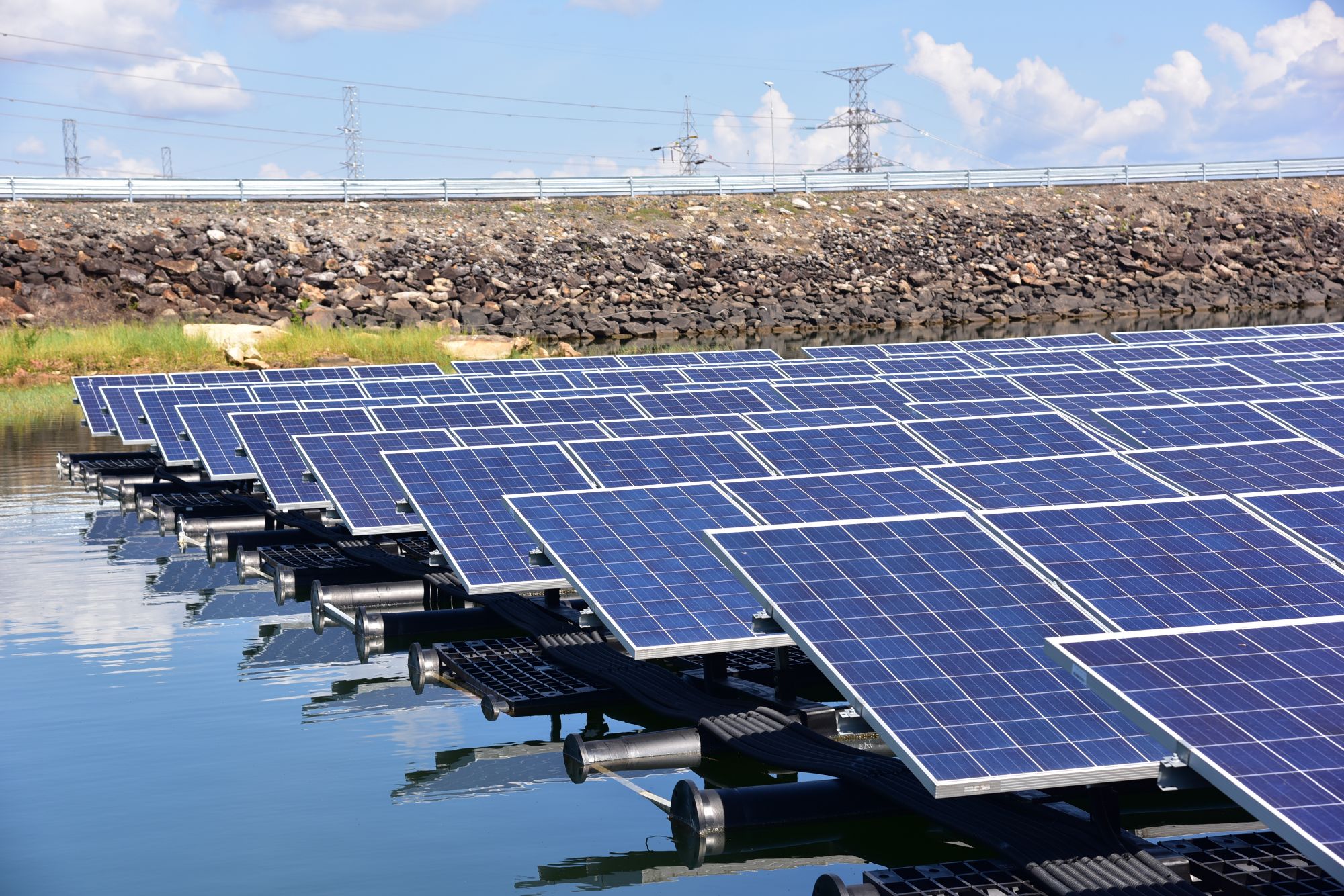
- Look at active or advanced cooling for large systems. Water cooling, heat sinks and floating solar installations (where water cools the panels) show promise, though cost and complexity usually limit them to commercial projects.
So
Solar panels love light but hate heat. Normal heat-related efficiency loss is something every system experiences, and it’s already built into realistic production estimates. The real concern is chronic overheating from poor installation, dirt, shading or faulty components, which shortens a system’s lifespan and can create safety issues.
Pick good hardware, install with airflow in mind, keep panels clean, and check them periodically. Do that, and your system will keep producing reliably for 25 years or more, even when the sun is at its fiercest.