
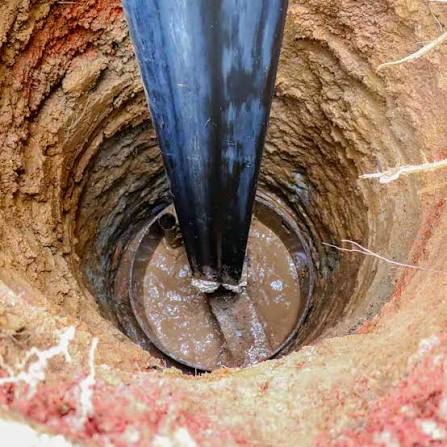
Low water pressure is one of the most common water supply problems faced by homeowners, businesses, schools, and farms. Whether water is flowing slowly from taps, showers, or irrigation systems, low pressure can be frustrating and affect daily activities. Understanding the causes can help you find the right solution.
What Is Low Water Pressure?
Water pressure refers to the force that pushes water through pipes and out of taps. When the pressure drops below normal levels, water flow becomes weak and inefficient.
Common Causes of Low Water Pressure
1. Clogged Pipes
Over time, minerals, rust, and debris can build up inside pipes, restricting water flow and reducing pressure.
Solution:
Have your plumbing system inspected and clean or replace blocked pipes where necessary.
2. Leaks in the Water System
Even a small leak can reduce water pressure throughout a property while increasing water bills.
Solution:
Check for wet spots, dripping pipes, or unusually high water bills. Repair leaks immediately.
3. Faulty Water Pump
A damaged or undersized water pump may struggle to deliver sufficient pressure.
Solution:
Inspect the pump and ensure it is properly sized for your water requirements. Replace worn-out components if needed.
4. Blocked Filters and Fixtures
Aerators, filters, and shower heads can become clogged with dirt and mineral deposits.
Solution:
Regularly clean or replace filters and fixtures to maintain proper water flow.
5. Low Water Levels in Tanks or Boreholes
Insufficient water levels can affect the ability of pumps to maintain pressure.
Solution:
Monitor water levels and ensure tanks and boreholes are adequately supplied.
6. Pipe Size Issues
Pipes that are too small for the required water demand can restrict flow.
Solution:
Upgrade to appropriately sized pipes, especially in large homes, farms, or commercial buildings.
7. Pressure Regulator Problems
Some water systems use pressure regulators. If they malfunction, pressure may drop significantly.
Solution:
Have the regulator tested and replaced if necessary.
How to Improve Water Pressure
- Regularly inspect and maintain your water system.
- Fix leaks as soon as they are detected.
- Clean filters, taps, and shower heads.
- Ensure water tanks remain adequately filled.
- Use a quality water pump suitable for your property’s needs.
- Schedule professional inspections to identify hidden issues.
When to Call a Professional
If low water pressure persists despite basic troubleshooting, it may indicate a more serious issue within the plumbing, pumping, or water distribution system. Professional assessment can help identify the root cause and prevent costly repairs later.
Conclusion
Low water pressure can result from clogged pipes, leaks, faulty pumps, low water levels, or equipment failures. Regular maintenance and timely repairs are essential to keep your water system operating efficiently. By addressing problems early, you can ensure a reliable and consistent water supply for your home or business.
Need help with water pumps, boreholes, water storage systems, or pressure solutions? Adexa Power provides professional water solutions designed to keep your water flowing efficiently.