
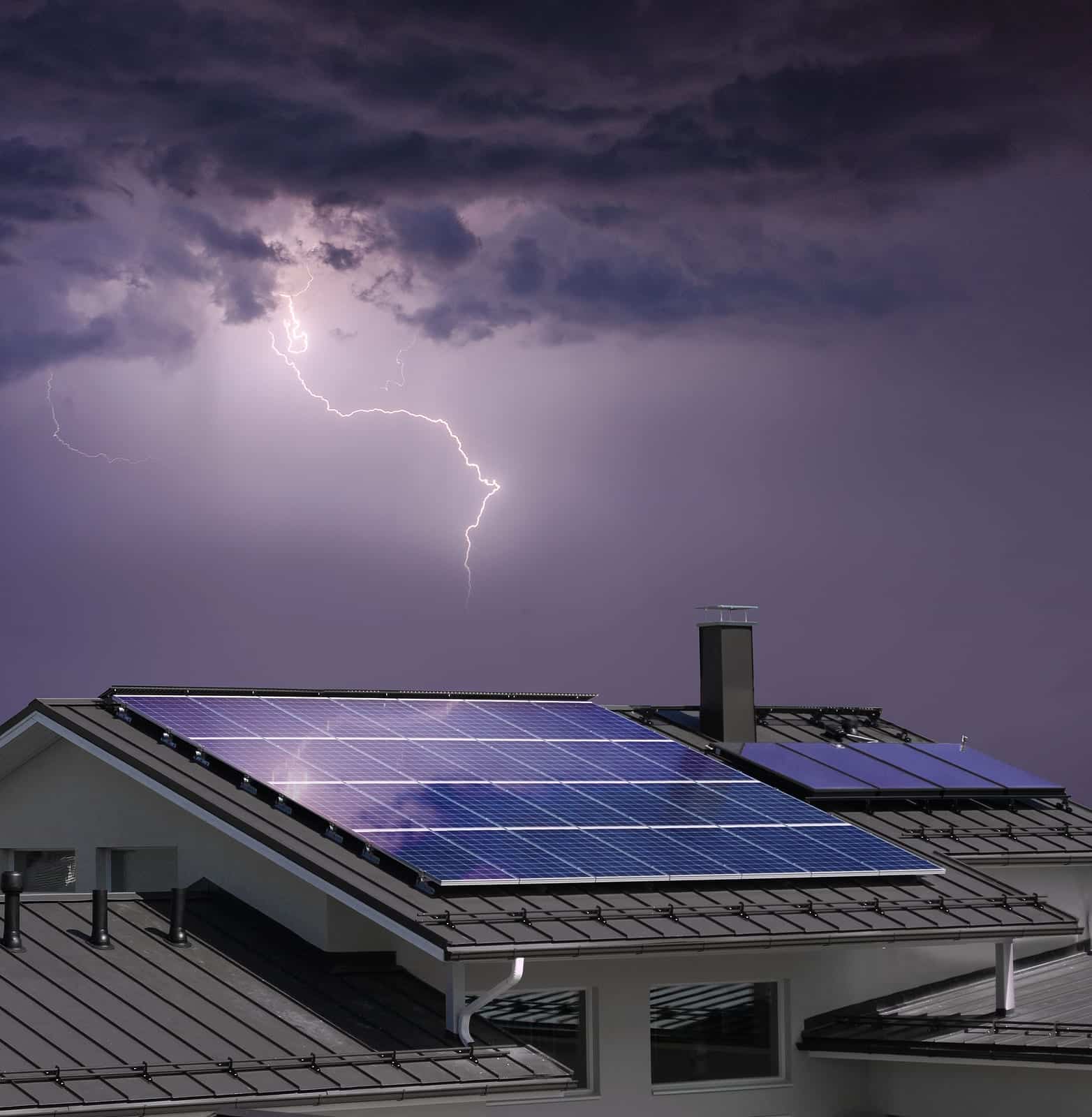
Lightning storms are common in many parts of Uganda, and while modern solar systems are built to withstand harsh weather, a direct or nearby lightning strike can still cause serious damage. Taking the right precautions can protect your investment, reduce repair costs, and keep your home or business powered safely.
Why Lightning Is a Risk
Lightning produces an extremely high electrical voltage that can travel through power lines, metal structures, and even the ground. A strike near your property can create power surges capable of damaging:
- Solar panels
- Inverters
- Batteries
- Charge controllers
- Electrical wiring
- Connected appliances
Without proper protection, these components may fail instantly or suffer hidden damage that reduces their lifespan.
Install Surge Protection Devices (SPDs)
One of the most effective ways to protect a solar system is by installing quality Surge Protection Devices (SPDs). These devices divert excess voltage away from your equipment during a lightning-induced surge.
SPDs should be installed on both the DC side (between the solar panels and inverter) and the AC side (between the inverter and your electrical distribution board). This dual protection helps safeguard the entire system.
Ensure Proper Earthing (Grounding)
A well-designed earthing system safely directs excess electrical energy into the ground instead of through your equipment.
Proper grounding should include:
- Solar panel mounting structures
- Inverter casing
- Electrical distribution board
- Metal equipment connected to the solar system
Always ensure the grounding system is installed according to electrical safety standards.
Install a Lightning Protection System
If your property is in an area that experiences frequent thunderstorms, consider installing a lightning rod or complete lightning protection system.
A lightning protection system helps intercept lightning strikes and safely channel the electrical energy into the ground before it reaches your solar equipment.
Use Quality Installation Materials
Low-quality cables, connectors, and electrical components are more likely to fail during electrical surges.
Choose:
- Certified solar cables
- Weather-resistant connectors
- High-quality circuit breakers
- Reliable mounting structures
Investing in quality materials improves both safety and system longevity.
Schedule Regular Maintenance
Routine inspections help identify loose connections, damaged grounding wires, or worn surge protection devices before they become serious problems.
A professional technician should periodically inspect:
- Grounding connections
- Surge protectors
- Electrical wiring
- Panel mounting system
- Inverter performance
Regular maintenance helps ensure your system remains protected year-round.
Disconnect Sensitive Equipment During Severe Storms
If a powerful thunderstorm is approaching and it is safe to do so, disconnect sensitive electronics connected to your solar system. This provides an extra layer of protection against unexpected power surges.
However, always follow the manufacturer’s shutdown procedure or seek guidance from a qualified technician.
Work With Certified Solar Installers
Proper installation is one of the biggest factors in lightning protection. Experienced installers understand how to correctly ground the system, install surge protection, and comply with electrical safety standards.
Choosing a trusted installer helps reduce the risk of costly damage in the future.
So
Lightning cannot always be prevented, but the damage it causes can often be minimized. By combining proper grounding, surge protection devices, quality components, regular maintenance, and professional installation, you can significantly improve the safety and reliability of your solar power system.
At Adexa Power World, we design and install reliable solar systems with safety as a top priority. Whether you need a new installation, system inspection, or maintenance, our experienced team is ready to help you protect your investment for years to come.