
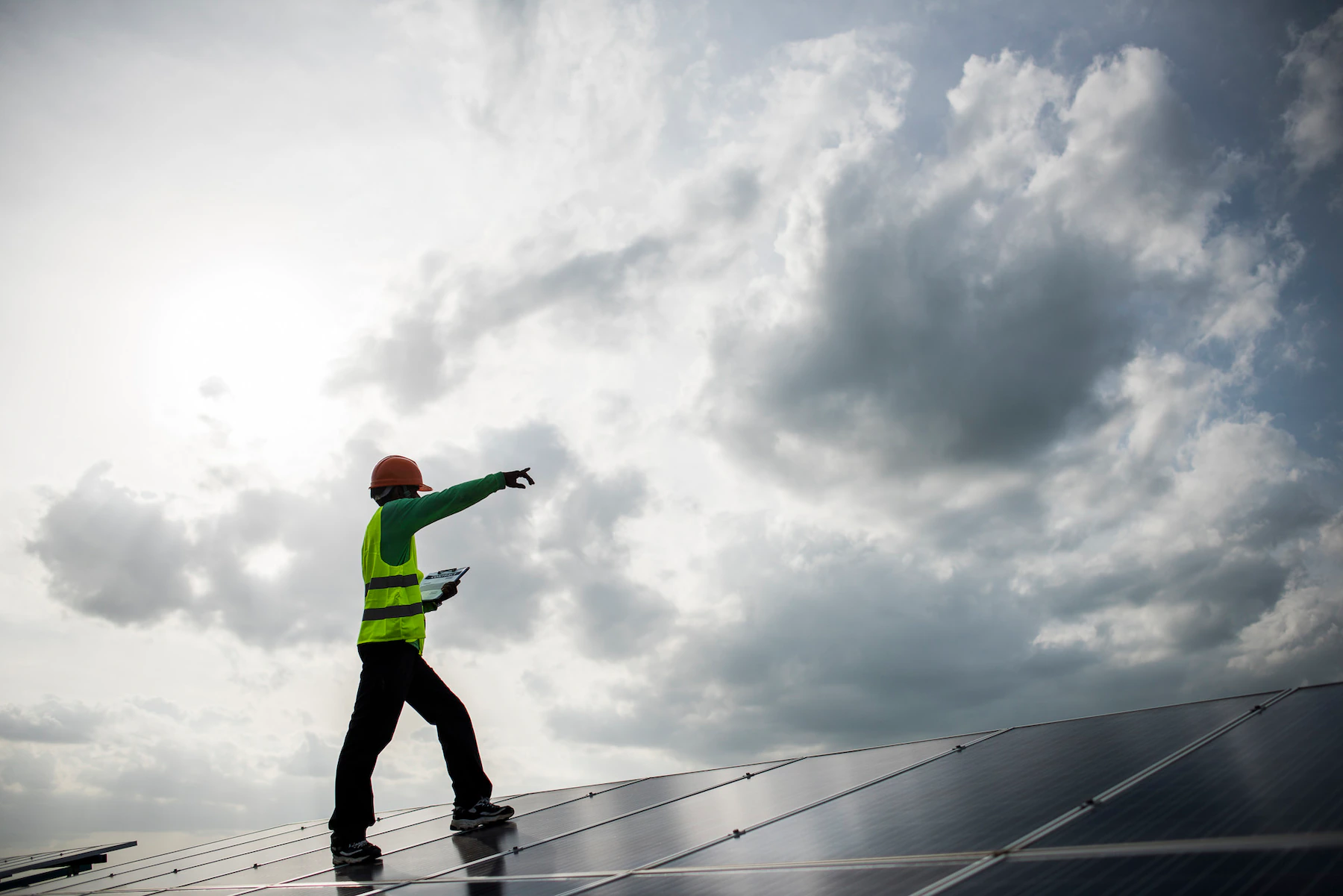
One of the most common questions people ask before investing in solar energy is whether solar panels still work when the weather is cloudy. The simple answer is yes solar panels can still generate electricity on cloudy days, although their output is lower than on bright, sunny days.
Understanding how solar panels perform in different weather conditions can help you make informed decisions about your solar investment.
How Solar Panels Work
Solar panels convert sunlight into electricity using photovoltaic (PV) cells. While direct sunlight produces the highest amount of electricity, these cells can also capture diffused sunlight the sunlight that passes through clouds and reaches the earth.
This means your solar system continues producing power even when the sky is overcast.
How Much Power Is Produced on Cloudy Days?
The amount of electricity generated depends on the thickness of the cloud cover and the quality of your solar panels.
On average, solar panels produce between 10% and 50% of their normal output during cloudy weather. Light cloud cover allows more sunlight through, while heavy storm clouds reduce energy production further.
Even with reduced output, your system continues to charge your batteries and power essential appliances.
What Happens During the Rainy Season?
Rainy weather does not stop your solar system from working. While electricity production may decrease on heavily overcast days, solar systems are designed to operate throughout the year.
In fact, rain has an added benefit it naturally washes away dust, dirt, and bird droppings from your solar panels, helping maintain their efficiency once the sun returns.
Do Batteries Still Charge?
Yes. If your solar system includes batteries, they can still charge on cloudy days as long as the panels are generating electricity.
Charging may take longer than on sunny days, but your batteries will continue storing available energy. A properly sized battery bank also helps provide power during prolonged periods of bad weather.
How to Improve Performance During Cloudy Weather
You can maximize your system’s performance by:
- Installing high-quality solar panels with good low-light performance.
- Keeping panels clean and free from dust or debris.
- Choosing the correct system size based on your daily energy needs.
- Using quality batteries to store excess energy generated on sunny days.
- Having your system professionally installed and maintained.
Does Uganda’s Climate Support Solar Energy?
Absolutely. Uganda receives abundant sunlight throughout the year, making it one of the best countries in Africa for solar energy.
Even during the rainy seasons, there is usually enough daylight for solar systems to generate useful electricity. A properly designed solar system can provide reliable power throughout the year.
So
Cloudy weather does not mean your solar system stops working. Solar panels continue generating electricity using available daylight, and your batteries can still charge, although at a slower rate.
With the right equipment, professional installation, and proper maintenance, solar energy remains a dependable and cost-effective solution in both sunny and cloudy conditions.
At Adexa Power World, we design high-quality solar systems that perform efficiently in Uganda’s varying weather conditions. Whether you’re powering a home, business, or farm, we’re here to help you enjoy reliable, clean energy every day of the year.