
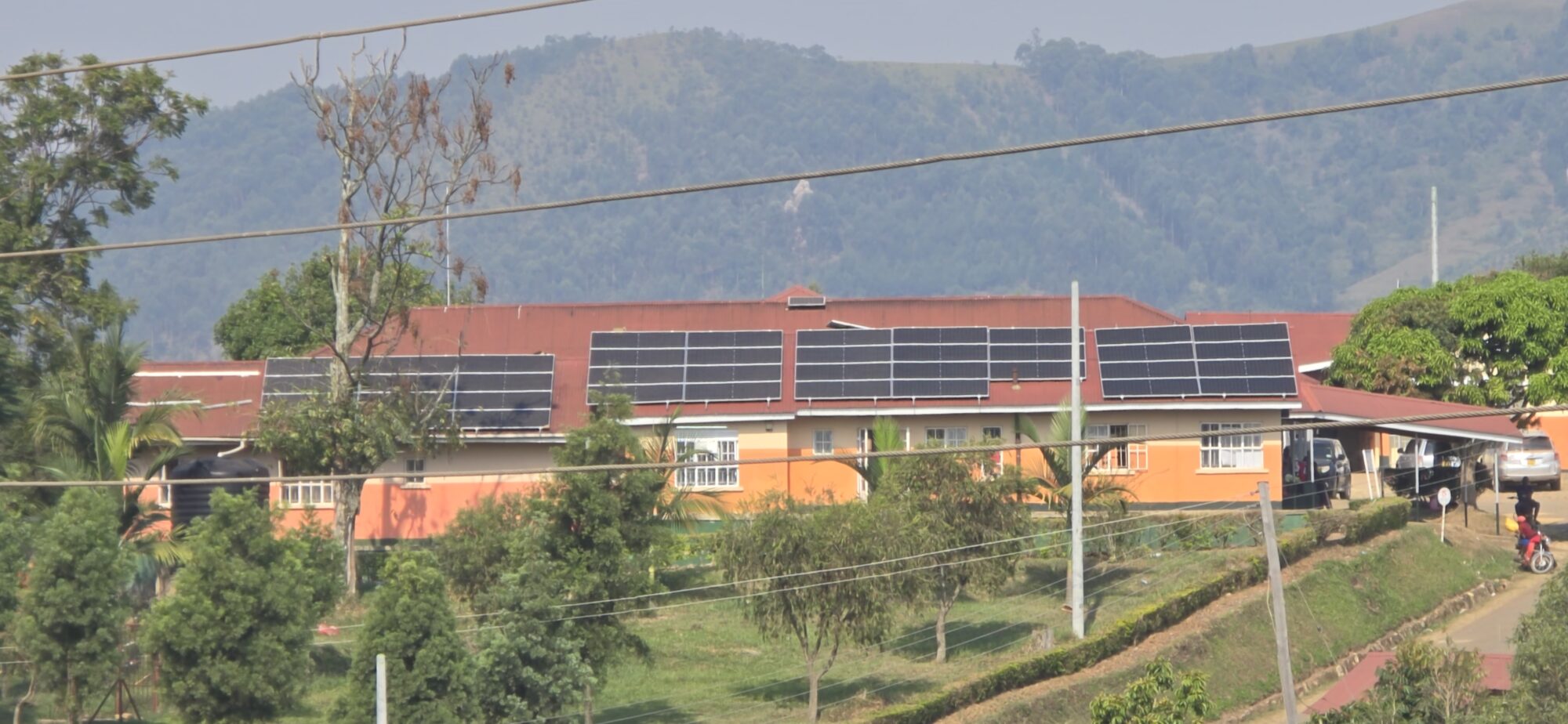
Solar power is one of the smartest investments a Ugandan home or business can make. It cuts electricity bills, protects against load-shedding, and pays for itself over time. But there’s a catch: a solar system is only as good as the company that installs it.
Uganda’s solar market has grown fast, and with that growth has come a flood of installers some excellent, some inexperienced, and a few outright unreliable. Choosing the wrong one can mean poor performance, safety hazards, or a system that fails within a year. Here’s how to make sure you choose the right one.
1. Check Their Track Record, Not Just Their Sales Pitch
Anyone can promise “the best solar system in Uganda.” What matters is proof. Ask potential installers:
- How many systems have they installed, and for how long have they been operating?
- Can they show you completed projects, ideally ones you can visit or call the owner about?
- Do they have experience with systems similar in size and type to what you need (residential, commercial, or agricultural)?
A company with a real portfolio and verifiable references is far safer than one that only shows glossy brochures.
2. Confirm They Are Certified and Licensed
Solar installation involves electrical work that can be dangerous if done poorly. A reliable installer should have:
- Certified technicians trained in solar PV installation and safety standards
- Compliance with Uganda’s electrical and safety regulations
- Proper registration as a business, not just an informal operator
Don’t be afraid to ask directly for certifications. A trustworthy company will have no problem showing you.
3. Insist on a Proper Site Assessment
If an installer quotes you a price without visiting your site, checking your roof, or reviewing your power consumption, that’s a red flag. A reliable installer will:
- Visit your property to assess roof condition, shading, and space
- Review your electricity bills or usage patterns to correctly size the system
- Explain why they’re recommending a specific system size and setup
Undersized systems disappoint. Oversized systems waste money. Only a proper assessment gets it right.
4. Ask About the Equipment Brands They Use
Not all solar panels, inverters, and batteries are created equal. Reliable installers work with reputable, tested brands not the cheapest components they can find. Ask:
- Which panel, inverter, and battery brands do they install?
- Are these products backed by manufacturer warranties?
- Can they explain the difference between the options (e.g., lithium vs. lead-acid batteries)?
If an installer is vague about the equipment or pushes unbranded, unusually cheap components, be cautious. Quality parts cost more upfront but save you money and headaches over the system’s lifetime.
5. Get a Clear, Written Quotation
A trustworthy installer will give you a detailed, itemized quotation, not a vague total. It should include:
- Panel type, wattage, and quantity
- Inverter and battery specifications
- Installation, wiring, and mounting costs
- Timeline for completion
- Payment terms
Beware of installers who avoid putting things in writing or who pressure you to decide immediately.
6. Ask About Warranties and After-Sales Support
Solar systems are a long-term investment panels typically last 20-25 years, and other components need occasional maintenance or replacement. Before signing on, ask:
- What warranty covers the panels, inverter, and battery?
- What warranty covers the installation workmanship itself?
- Do they offer maintenance packages or emergency support after installation?
- How quickly do they respond if something breaks down?
A company that disappears after installation isn’t one you want to work with. Look for installers who see the relationship as ongoing, not a one-time sale.
7. Compare Multiple Quotes — But Don’t Choose on Price Alone
It’s wise to get quotes from at least two or three installers. But the cheapest quote is often cheapest for a reason smaller panels, weaker batteries, or corners cut on wiring and safety. Compare:
- The full specification of each system, not just the total price
- The reputation and experience behind each quote
- The warranty and support terms
A slightly higher price from a reliable installer is almost always a better investment than a bargain system that fails in two years.
8. Look for Local Presence and Reputation
An installer with a physical office and a local presence in Uganda is easier to hold accountable than one that operates only through phone calls or social media. Check online reviews, ask around in your community, and see how long they’ve been serving Ugandan homes and businesses.
So
Choosing a solar installer isn’t just about who can get panels on your roof the fastest or cheapest it’s about who will deliver a system that performs reliably for decades. Take the time to vet your installer the way you would any major investment: check their track record, insist on proper assessments, demand quality equipment, and make sure they stand behind their work.
At Adexa Power World, we’ve built our reputation on exactly these principles certified technicians, quality equipment, transparent quotations, and after-sales support you can count on. Whether you’re powering a home, a business, or a borehole, we’re here to make sure your solar investment works for you, today and for years to come.