
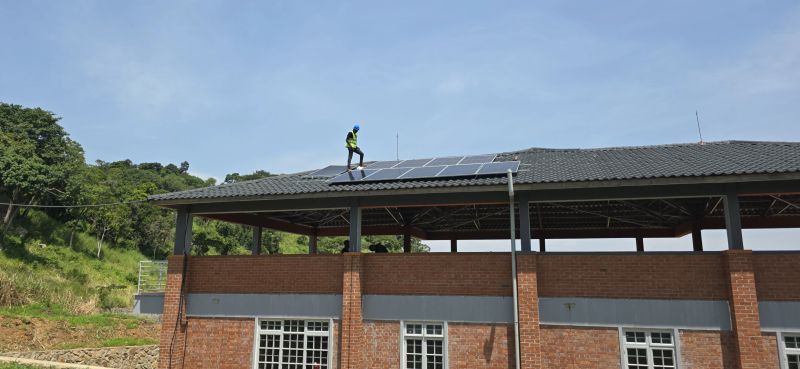
Introduction
Uganda is experiencing rapid population growth, urbanization, and increasing demand for reliable electricity. While the national power grid continues to expand, many homes, businesses, farms, schools, and health facilities still face challenges such as power outages, high electricity costs, or limited access to grid electricity. As a result, solar energy has become one of the most promising solutions for meeting the country’s growing energy needs.
With abundant sunshine throughout the year, Uganda has enormous potential to harness solar power. Advances in technology, falling equipment prices, and increased awareness are making solar systems more affordable and accessible than ever before. The future of solar energy in Uganda is bright, offering cleaner, more reliable, and cost-effective energy for millions of people.
Why Uganda Is Ideal for Solar Energy
Uganda receives an average of 5–6 peak sunshine hours every day, making it one of the best countries in East Africa for solar energy generation. This consistent sunlight provides excellent conditions for generating electricity throughout the year.
Solar energy is particularly valuable because it:
- Provides electricity even in remote areas.
- Reduces dependence on unreliable grid power.
- Lowers monthly electricity expenses.
- Supports environmental conservation by reducing carbon emissions.
- Promotes energy independence for homes and businesses.
Growing Adoption Across Uganda
The adoption of solar energy continues to grow across different sectors.
Residential Homes
Many homeowners are investing in solar systems to reduce electricity bills, keep lights on during outages, and power essential appliances such as televisions, refrigerators, internet routers, and security systems.
Businesses
Companies are increasingly turning to solar power to lower operational costs and ensure uninterrupted business operations. Retail shops, offices, hotels, restaurants, and manufacturing facilities all benefit from reliable solar electricity.
Agriculture
Agriculture remains Uganda’s largest economic sector, and solar technology is transforming farming through:
- Solar-powered irrigation systems.
- Solar water pumps.
- Livestock water supply.
- Cold storage for agricultural products.
These innovations help farmers increase productivity while reducing fuel and electricity costs.
Schools and Healthcare Facilities
Educational institutions and medical centers are using solar power to provide reliable lighting, computer access, vaccine refrigeration, laboratory equipment, and emergency services, especially in rural communities.
Government Support and Renewable Energy Goals
The Government of Uganda continues to encourage renewable energy development through various policies and programs aimed at expanding electricity access and promoting clean energy solutions.
Public and private sector investments are supporting:
- Solar mini-grids.
- Rural electrification projects.
- Solar-powered water systems.
- Commercial solar installations.
- Clean energy awareness campaigns.
As renewable energy receives greater attention, solar power is expected to become an increasingly important part of Uganda’s energy mix.
Technological Advancements
Modern solar systems are becoming more efficient, durable, and affordable.
Recent improvements include:
- Higher-efficiency solar panels.
- Longer-lasting lithium battery storage.
- Smart inverters with remote monitoring.
- Hybrid solar systems that combine grid and battery power.
- Improved solar water pumping technologies.
These innovations allow homeowners and businesses to get more energy while requiring less maintenance.
The Economic Benefits of Solar Energy
Solar energy is not only environmentally friendly but also financially rewarding.
Some of the major economic benefits include:
- Lower monthly electricity bills.
- Reduced fuel costs compared to generators.
- Increased property value.
- Minimal maintenance costs.
- Long equipment lifespan.
- Better return on investment over time.
For businesses, reduced energy costs improve profitability and allow more resources to be invested in growth.
Environmental Impact
Solar energy produces clean electricity without harmful emissions.
By adopting solar power, Uganda can:
- Reduce greenhouse gas emissions.
- Improve air quality.
- Reduce dependence on fossil fuels.
- Protect natural resources.
- Contribute to global climate action.
Every new solar installation helps create a cleaner and healthier environment for future generations.
Challenges Facing Solar Energy
Although solar energy continues to expand, several challenges remain:
- High initial installation costs.
- Limited public awareness in some communities.
- Presence of counterfeit or low-quality equipment.
- Poor installation by unqualified technicians.
- Limited financing options for some households.
Fortunately, these challenges are gradually being addressed through better financing, improved regulations, and increased public education.
What the Future Looks Like
Over the next decade, Uganda is expected to witness significant growth in solar adoption.
Future trends may include:
- More affordable solar systems.
- Expansion of solar-powered irrigation.
- Increased use of battery storage.
- Greater investment in commercial solar projects.
- Smart energy management technologies.
- Wider use of electric vehicles powered by solar energy.
- Continued expansion of rural solar electrification.
As technology advances and costs continue to decline, solar power will become an even more attractive investment for households and businesses.
Why Choose Adexa Power World?
Investing in solar energy is only as good as the company installing and supporting your system. At Adexa Power World, we are committed to providing reliable, high-quality solar and water solutions tailored to the needs of homes, businesses, farms, schools, and institutions.
Our services include:
- Professional solar system installation.
- Solar batteries and inverters.
- Solar water pumps.
- Water storage solutions.
- System maintenance and technical support.
- Expert consultation to help you choose the right solution.
Our experienced team focuses on quality workmanship, dependable products, and excellent customer service to ensure every installation delivers long-term value.
Conclusion
Solar energy is shaping the future of Uganda by providing reliable, affordable, and environmentally friendly electricity. As technology continues to improve and awareness grows, more Ugandans will benefit from clean energy solutions that reduce costs and improve quality of life.
Whether you are a homeowner, farmer, business owner, or institution, investing in solar power today is an investment in a more sustainable and energy-secure future.
If you’re ready to embrace the benefits of renewable energy, Adexa Power World is here to help you every step of the way with trusted solar and water solutions designed for Uganda’s unique needs.