
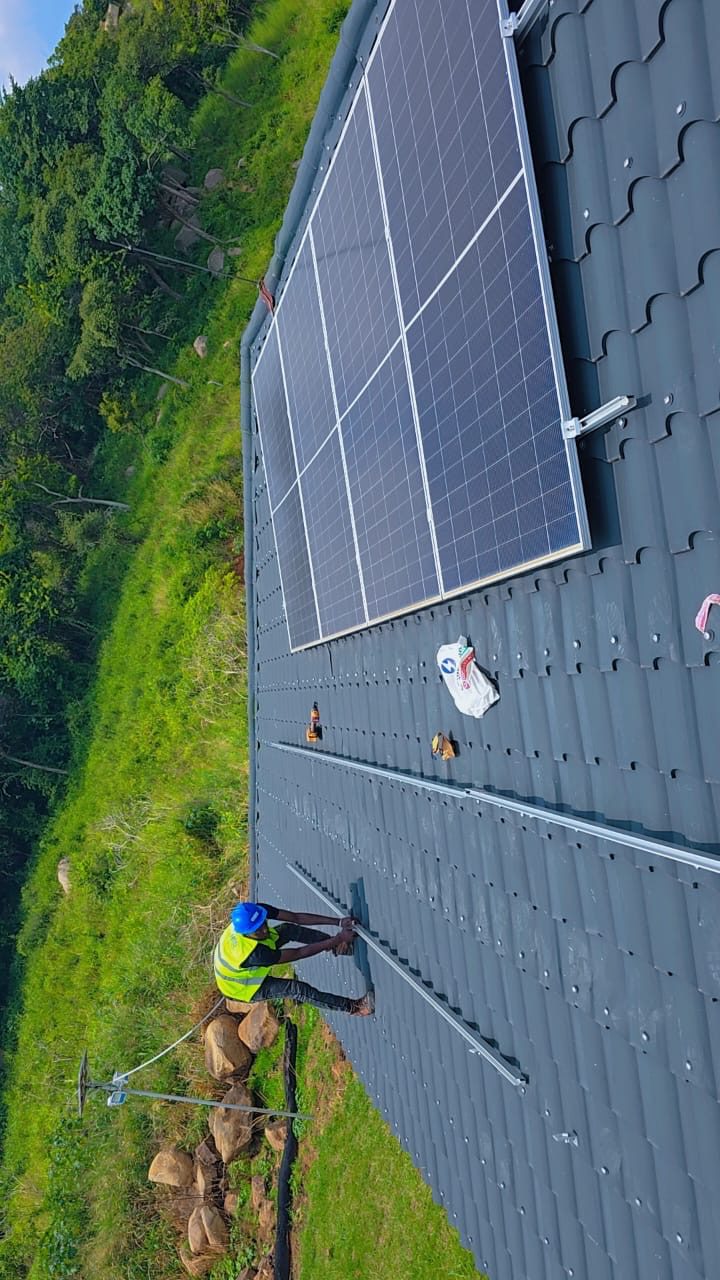
A Complete Guide to Choosing the Right Location for Maximum Performance
Access to reliable water is essential for homes, farms, businesses, schools, and communities. As energy costs continue to rise, many property owners are turning to solar water pumps as a cost-effective and environmentally friendly solution. However, installing the system in the right location is just as important as choosing high-quality equipment.
A poorly positioned solar water pump can reduce efficiency, increase maintenance costs, and shorten the lifespan of your system. In this guide, we’ll explore the best places to install a solar water pump and the factors to consider before installation.
Why Location Matters
A solar water pump relies on sunlight to generate electricity through photovoltaic (PV) panels. The more sunlight your panels receive, the more efficiently the pump will operate. Choosing the right installation site ensures:
- Maximum solar energy production
- Reliable water supply
- Lower maintenance costs
- Improved pump lifespan
- Better return on investment
1. Near a Borehole
One of the most common and effective locations for installing a solar water pump is at a borehole. Solar-powered borehole systems can pump water directly into storage tanks for homes, farms, schools, hospitals, and businesses.
Benefits
- Reliable water supply throughout the day
- Eliminates electricity costs
- Ideal for remote areas without grid power
- Reduces dependence on fuel-powered generators
2. Agricultural Farms
Solar water pumps are perfect for farms that require regular irrigation or livestock watering. Installing the pump near the main water source allows water to be distributed efficiently across the farm.
Ideal for
- Crop irrigation
- Greenhouses
- Dairy farms
- Poultry farms
- Livestock watering points
With a properly designed system, farmers can irrigate crops consistently while reducing operating expenses.
3. Rural Homes
Many rural communities experience unreliable electricity or have no access to the national grid. Installing a solar water pump at a rural home provides a dependable water supply for daily household activities.
Common household uses include:
- Cooking
- Drinking
- Washing
- Bathing
- Cleaning
- Gardening
4. Schools and Educational Institutions
Schools consume large amounts of water every day for drinking, sanitation, cleaning, and food preparation. A solar water pumping system helps ensure a continuous water supply while reducing monthly utility costs.
Benefits include:
- Lower operating expenses
- Reliable water during school hours
- Environmentally friendly operation
- Minimal maintenance
5. Health Centres and Hospitals
Healthcare facilities depend on clean water for patient care, sanitation, and hygiene. Installing a solar water pump ensures that water remains available even during power outages.
Reliable water access supports:
- Patient hygiene
- Cleaning and sterilization
- Laundry services
- Kitchen operations
- General facility maintenance
6. Hotels, Lodges, and Resorts
Guest satisfaction depends heavily on uninterrupted water availability. Solar water pumping systems provide hotels and lodges with a dependable and cost-effective water solution.
They can supply water for:
- Guest rooms
- Swimming pools
- Landscaping
- Kitchens
- Laundry facilities
7. Industrial and Commercial Premises
Factories, warehouses, office buildings, and commercial properties often require large volumes of water for daily operations. Solar water pumps reduce operational costs while ensuring consistent water availability.
Businesses benefit from:
- Lower electricity bills
- Reduced operating costs
- Improved sustainability
- Greater energy independence
8. Community Water Projects
Solar water pumps are widely used in community water supply projects where multiple households rely on a shared water source.
These systems help:
- Improve access to clean water
- Reduce water collection time
- Lower maintenance costs
- Support sustainable community development
9. Water Storage Tank Systems
Installing a solar water pump to fill elevated or ground-level storage tanks allows water to be stored during sunny hours and used whenever needed.
This approach ensures:
- Water availability at night
- Consistent water pressure
- Reduced pump operation
- Better water management
Factors to Consider Before Installation
Choosing the best location involves more than simply placing the pump near a water source. Consider the following:
Sunlight Availability
Solar panels should receive direct sunlight for most of the day. Avoid locations shaded by trees, buildings, hills, or other structures.
Distance to the Water Source
The closer the pump is to the water source, the more efficient the installation and the lower the piping costs.
Security
Install the solar panels and equipment in a secure location to reduce the risk of theft or vandalism.
Accessibility
The system should remain accessible for routine inspections, cleaning, and maintenance.
Future Expansion
Choose a location that allows for additional solar panels or storage tanks if your water demand increases in the future.
Common Installation Mistakes to Avoid
Avoid these common mistakes to maximize your investment:
- Installing solar panels where they are partially shaded
- Choosing an undersized pump for your water requirements
- Ignoring professional site assessments
- Using poor-quality pipes and fittings
- Skipping regular maintenance
- Installing without considering future water demand
Why Professional Installation Matters
Every property has unique water requirements. Professional installers assess your water source, pumping distance, daily water demand, elevation, and available sunlight before recommending the ideal system.
A properly designed installation delivers:
- Higher efficiency
- Longer equipment lifespan
- Lower maintenance costs
- Reliable year-round performance
Conclusion
Solar water pumps are transforming how homes, farms, businesses, and communities access clean, reliable water. However, the success of your system depends greatly on where it is installed. Whether you’re pumping water from a borehole, supplying a farm, supporting a school, or serving an entire community, selecting the right location ensures maximum efficiency, long-term reliability, and significant savings.
Investing in a professionally designed solar water pumping system today means enjoying dependable water with lower operating costs for many years to come.
Need Expert Solar Water Pump Installation?
At Adexa Power World, we design and install reliable solar water pumping systems for homes, farms, schools, hospitals, businesses, and community projects. Our experienced team will assess your site, recommend the right equipment, and deliver a solution tailored to your water needs.
Contact Adexa Power World today and let us help you build a sustainable, energy-efficient water supply system that lasts.