
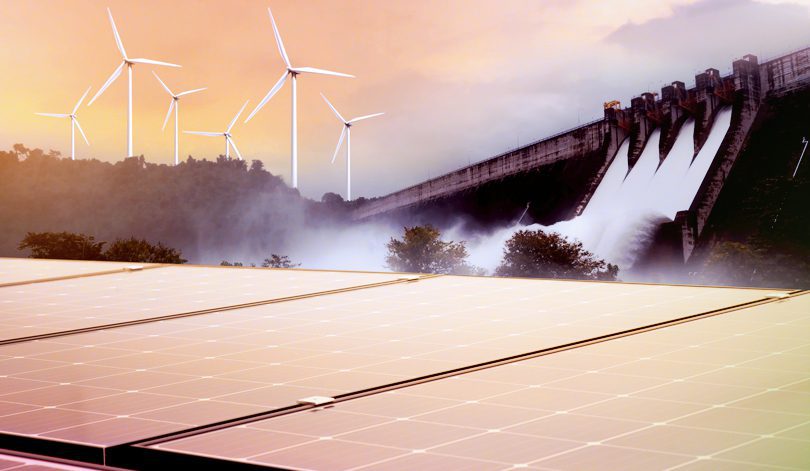
Uganda has enormous potential to benefit from renewable energy due to its abundant natural resources such as sunlight, water, wind, and biomass. As the country continues to grow economically and technologically, renewable energy can play a major role in improving lives, supporting businesses, and creating a more sustainable future.
Improving Electricity Access
Many rural communities in Uganda still face limited access to reliable electricity. Renewable energy solutions such as solar power can help provide electricity to homes, schools, health centers, and businesses in remote areas where extending the national power grid is difficult or expensive.
Solar systems can provide lighting, phone charging, internet access, refrigeration, and power for small businesses, helping communities develop faster.
Reducing Electricity Costs
Electricity bills and fuel costs can be expensive for many households and businesses. Renewable energy, especially solar power, can help reduce dependence on costly fuel generators and lower monthly electricity expenses.
Once installed, solar systems require relatively low maintenance and can provide long-term savings for families and companies.
Supporting Business Growth
Reliable electricity is important for economic development. Renewable energy can support small and medium-sized businesses by ensuring continuous power supply for operations such as:
- Welding
- Hair salons
- Shops and supermarkets
- Internet cafés
- Manufacturing
- Agriculture and irrigation
Stable power allows businesses to operate more efficiently and increase productivity.
Creating Jobs and Opportunities
The renewable energy sector can create thousands of jobs for Ugandans in areas such as:
- Solar installation
- Electrical engineering
- System maintenance
- Sales and marketing
- Manufacturing
- Technical training
Young people can also gain valuable digital and technical skills through renewable energy projects and technology programs.
Protecting the Environment
Renewable energy helps reduce environmental pollution caused by fuel generators, charcoal burning, and fossil fuels. By adopting cleaner energy solutions, Uganda can help protect forests, reduce carbon emissions, and improve air quality.
Clean energy also contributes to global efforts against climate change.
Improving Education and Healthcare
Schools with reliable electricity can use computers, internet services, and digital learning tools more effectively. Hospitals and clinics can also operate medical equipment, refrigeration for medicines, and emergency services without frequent power interruptions.
Renewable energy can therefore improve both education and healthcare services across the country.
Uganda’s Solar Potential
Uganda receives strong sunlight throughout most of the year, making solar energy one of the best renewable energy options for the country. This gives Uganda a major advantage in expanding clean and affordable energy solutions.
With increasing awareness and investment, solar power can help transform Uganda’s energy future.
Conclusion
Renewable energy offers Uganda an opportunity to improve electricity access, reduce costs, create jobs, support businesses, and protect the environment. As technology continues to improve, renewable energy can become one of the key drivers of development and innovation in Uganda.
https://shorturl.fm/srNt1
https://shorturl.fm/ecXZh
https://shorturl.fm/Epzv1
https://shorturl.fm/mwlIF
https://shorturl.fm/5Ndqy
https://shorturl.fm/iHdaT
https://shorturl.fm/3lSBp
https://shorturl.fm/ymQkX
https://shorturl.fm/Yox2I
https://shorturl.fm/CeUcf
https://shorturl.fm/bxEsN