Many households and businesses in Uganda invest in solar systems hoping for reliable, affordable power amid frequent grid outages. Unfortunately, a large number of these systems especially smaller solar home systems and basic setups—stop working properly or fail completely within just 1–2 years.
Here are the most common reasons this happens:
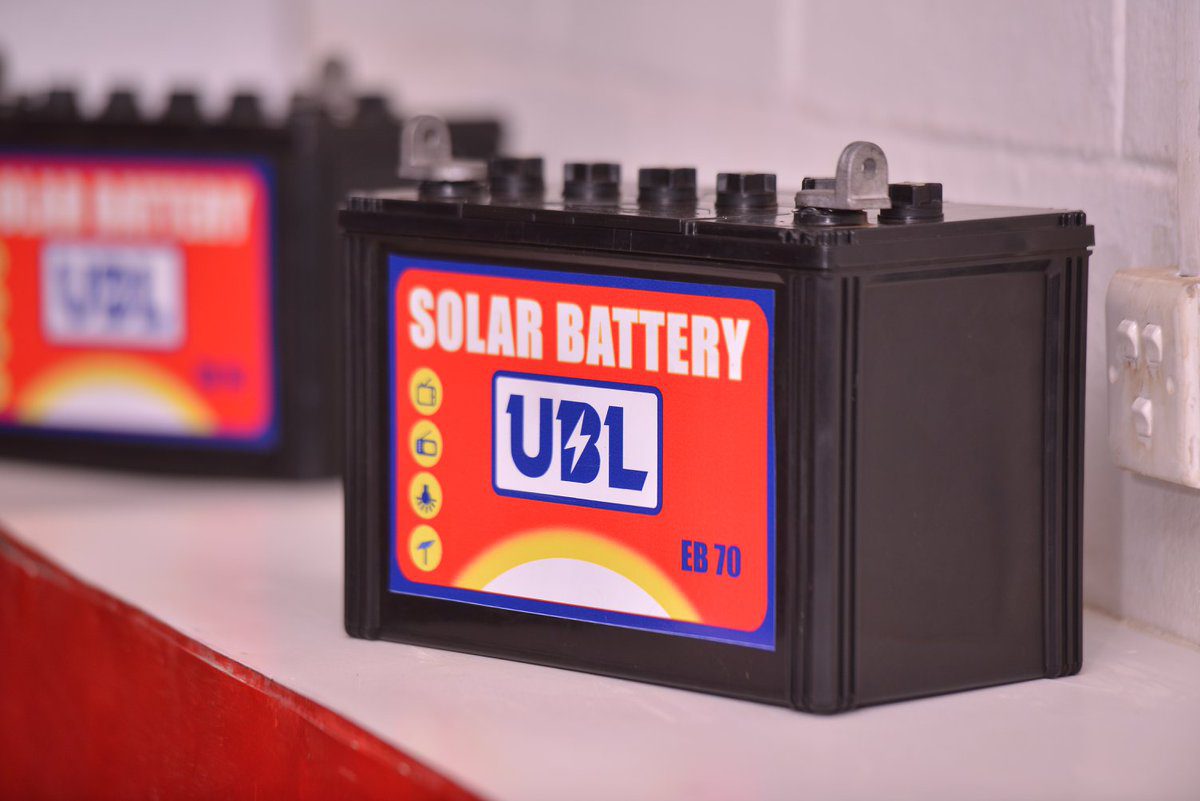
- Cheap or low-quality batteries — The battery is usually the first component to die. Many people buy inexpensive lead-acid batteries (or even fake/poorly made ones) to cut costs. These batteries aren’t designed for deep daily cycling in solar use and often fail after 12–24 months due to over-discharge, under-charging, or poor quality.
- Wrong system sizing (especially under-declaring the load) — Customers (or some installers) underestimate real power needs—adding extra TVs, fridges, irons, or bulbs later. The inverter, panels, or battery then get overloaded, causing rapid battery drain and early failure. This “silent killer” is very common in Uganda.
- Poor-quality or fake components — The market has many cheap imported “mix-and-match” parts, counterfeit panels, bad charge controllers, and low-grade inverters. Studies on Uganda’s solar home systems show that low-quality or “junk” products break quickly—batteries after 1 year, controllers soon after.
- Bad installation and wiring — Poor wiring (undersized cables, loose connections, no proper protection like fuses or breakers), incorrect panel tilt/orientation, or shading issues mean the system never charges batteries fully. Over time, this leads to sulfation in batteries and overall breakdown.
- Lack of maintenance and user misuse — Panels get dirty, batteries aren’t topped up with distilled water (for flooded types), or users run high loads during low-sun periods (rainy season). Without basic care or after-sales support, small problems become total failures.
- No surge protection or safety devices — Voltage spikes, lightning, or poor grounding damage inverters and controllers quickly in our environment.
The result? A system that works great for a few months, then batteries won’t hold charge → lights dim → inverter shuts down → people go back to candles, torches, or generators.
The good news: Quality solar systems do last 5–10+ years (even longer for panels) when properly designed and installed. Choose reputable suppliers, insist on:
- Lithium or good deep-cycle batteries (not the cheapest lead-acid)
- Correct sizing after honest load calculation
- Certified components with warranties
- Professional installation with protections
- Basic user training
A slightly higher upfront cost saves money and frustration long-term.
If your system failed early, you’re not alone, it’s often not your fault, but a sign the corners were cut somewhere. Share your experience in the comments what went wrong with your setup? Let’s help others avoid the same mistakes.