
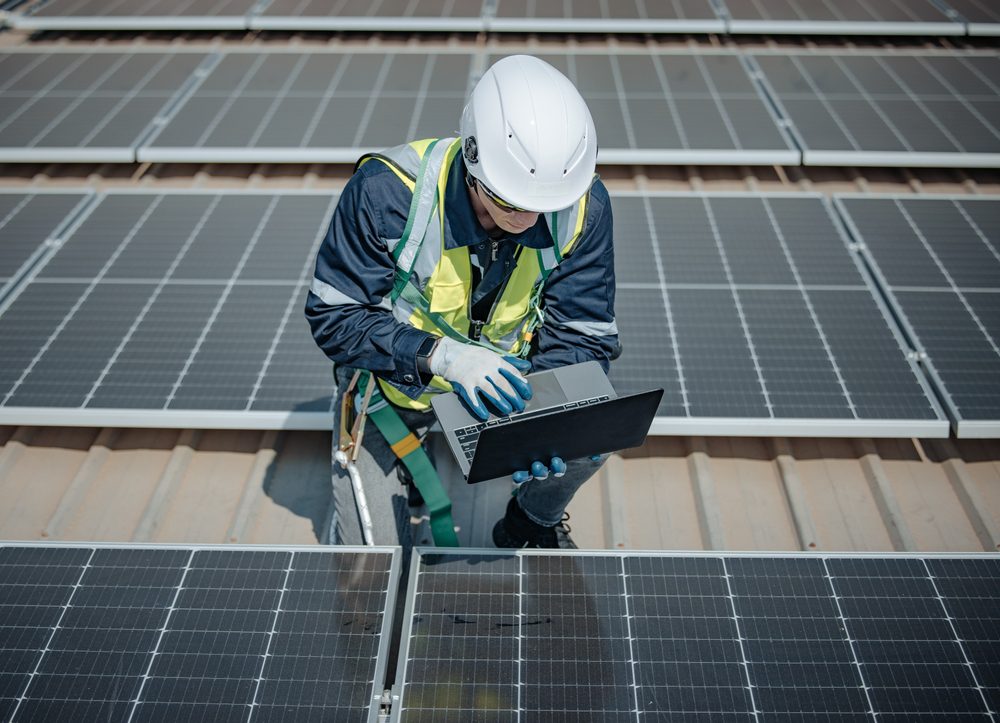
If you’re thinking about going solar, you may be wondering why a company can’t just send you a quote based on your electricity bill and a photo of your roof. Why do they need to visit in person first? The short answer: a solar system is only as good as the design behind it, and a good design starts with seeing your property with your own eyes.
Here’s what happens during a site visit, and why it matters.
1. Assessing the Roof (or Ground Space)
The installer needs to know what the panels will actually sit on. During the visit, a technician checks:
- Roof material and condition. Tiles, corrugated iron sheets, concrete, and asbestos each need different mounting methods. An old or weak roof may need repairs before panels go on.
- Structural strength. Panels, mounting rails, and wind loads add weight. The technician checks that the roof structure can carry it safely.
- Size, angle, and direction. These determine how many panels fit and how much energy they will produce.
If a roof isn’t suitable, a ground-mounted system or a carport structure may be a better option. You can only know that by looking.
2. Spotting Shade Problems
Shade is one of the biggest enemies of solar performance. Even a small shadow on one panel can reduce the output of a whole string of panels. A trees, a neighbor’s building, a water tank, or a chimney can all cast shadows that satellite images often miss or misjudge.
On site, the installer studies how shadows move across your property throughout the day and decides the best placement for the panels to avoid them.
3. Understanding Your Real Energy Needs
Your electricity bill tells part of the story, but not all of it. During the visit, the installer will talk with you about:
- Which appliances you use and when
- Whether you have large loads like water pumps, welding machines, freezers, or air conditioners
- Whether you plan to add more equipment in the future
- Whether your goal is to cut your bills, have backup during power cuts, or go fully off-grid
This conversation helps size the system correctly. Too small, and you’ll be disappointed. Too large, and you’ll pay for capacity you don’t need.
4. Inspecting Your Electrical Setup
Your solar system has to connect safely to your existing wiring. The technician will inspect:
- Your main distribution board and its capacity
- The condition of your wiring and earthing (grounding)
- Where the inverter and batteries can be safely installed, ideally somewhere cool, dry, and ventilated
- The distance between the panels and the inverter, which affects cable size and cost
Old or faulty wiring is a safety risk. It’s far better to discover it before installation than after.
5. Planning Safe and Practical Access
Installers also look at practical details: how the equipment will be carried to the roof, where ladders or scaffolding can be placed, and the route for cables. These things affect the installation time, safety measures, and the final price.
6. Giving You an Accurate Quote
When a company quotes without visiting, they’re guessing. That often leads to surprise costs midway through the project, such as extra cabling, roof reinforcement, or redesigned layouts. A site visit allows the installer to give you a quote that reflects your actual situation, so what you’re quoted is what you pay.
7. Building Trust and Answering Your Questions
A site visit is also your chance to meet the people who may install your system. You can ask about warranties, maintenance, expected savings, and timelines. A professional company will welcome these questions and explain things clearly. If a company is unwilling to visit before installing, that’s a red flag.
What to Prepare Before the Visit
To get the most from the visit, have these ready:
- Your recent electricity bills
- A list of appliances you use, or plan to use
- Any questions about budget, financing, or maintenance
- Access to your roof, meter, and distribution board
Final Thoughts
A site visit isn’t a delay or a formality. It’s the foundation of a solar system that is safe, efficient, and built to last for 20 years or more. The time spent upfront protects your investment, prevents costly mistakes, and ensures the system is designed around you, not around a guess.
Ready to take the first step? Book a site visit today, and let’s design a solar system that truly fits your home or business.