
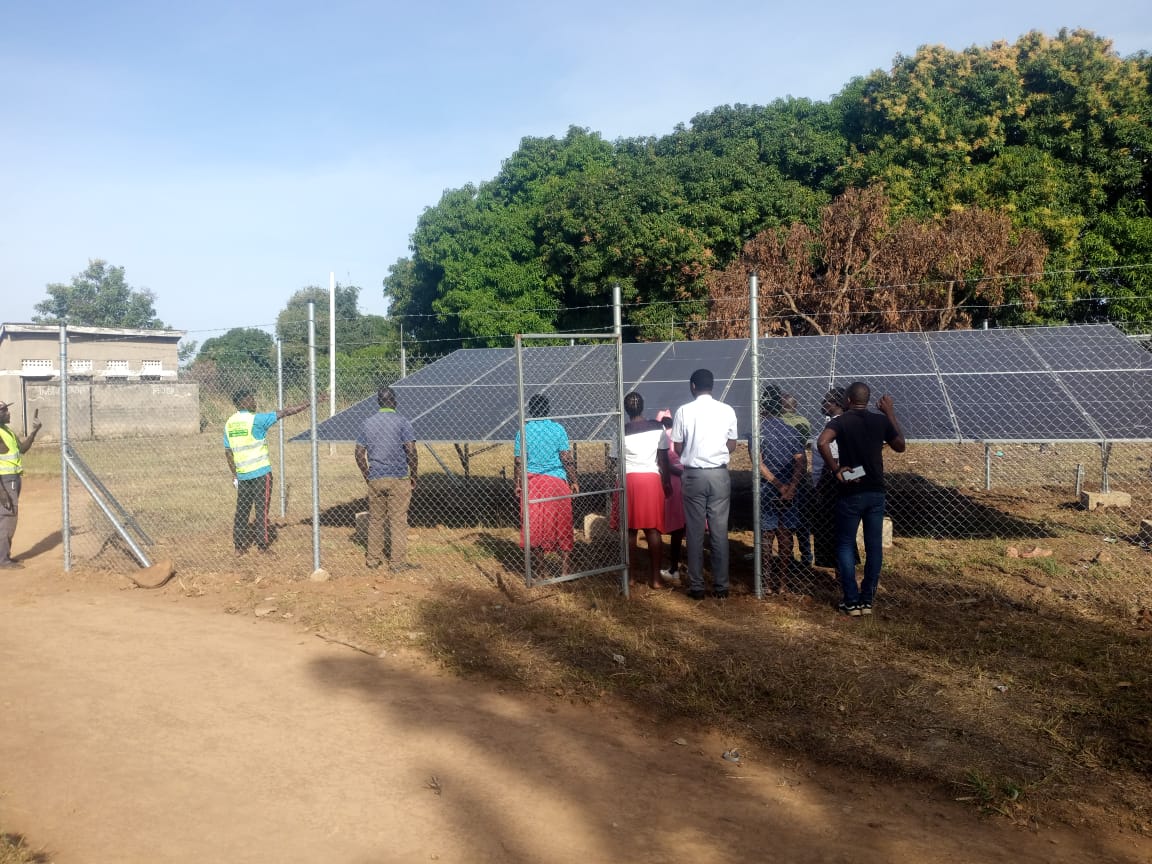
Access to reliable electricity remains one of the biggest challenges in many remote communities. Solar energy has become a powerful solution for schools, health centers, farms, businesses, and households located far from the national power grid. However, installing solar systems in remote areas comes with unique obstacles that many people never see behind the scenes.
At Adexa Power World, we have worked on different solar projects in hard-to-reach locations, and every installation teaches us something new. Here are some of the major challenges we faced while installing solar systems in remote areas and how we overcame them.
Difficult Transportation and Poor Roads
One of the biggest challenges is transportation. Many remote areas have rough roads, steep hills, muddy paths, or no proper roads at all. Transporting heavy solar panels, batteries, inverters, mounting structures, and installation equipment becomes difficult and expensive.
During rainy seasons, some roads become nearly impassable, causing delays and increasing transport costs. In some cases, equipment must be carried manually for certain distances where vehicles cannot pass.
Despite these challenges, proper planning and teamwork help ensure materials arrive safely at the installation site.
Limited Access to Technical Resources
Remote areas often lack nearby hardware shops, technical support centers, or spare parts suppliers. If a small component is missing or damaged during installation, replacing it can take a long time.
Because of this, our team always prepares thoroughly before traveling. We carry backup tools, spare cables, connectors, protection devices, and extra installation materials to avoid unnecessary interruptions.
Harsh Weather Conditions
Solar installation work is heavily affected by weather conditions. Extreme heat, heavy rain, strong winds, and dust can slow down installation activities and affect equipment handling.
In some areas, unexpected rainstorms forced our team to pause installations temporarily to protect electrical components and ensure safe working conditions.
Proper protective equipment and careful scheduling are important when working in unpredictable environments.
Communication and Network Challenges
Some remote locations have weak mobile networks and limited internet connectivity. This makes communication between field teams, suppliers, and clients more difficult.
Simple tasks like coordinating deliveries, confirming technical details, or sending project updates can become complicated when communication is unreliable.
To manage this, our teams often plan ahead and maintain constant coordination before traveling to site locations.
Power Demand Misunderstandings
Many clients in remote areas are new to solar technology and may underestimate or overestimate their power needs. Some expect small systems to power heavy equipment continuously, while others request systems larger than necessary.
Before installation, we conduct detailed assessments to determine:
- Daily power consumption
- Required backup time
- Future expansion needs
- Appliance load requirements
This helps us design systems that are both reliable and cost-effective.
Security and Equipment Protection
Protecting solar equipment in isolated locations can also be challenging. Solar panels, batteries, and electrical components are valuable assets and require proper security measures.
For some installations, we recommend:
- Secure mounting structures
- Battery housing protection
- Fencing around installations
- Outdoor security lighting
- Monitoring systems
Ensuring system safety is essential for long-term performance.
Training Users on System Usage
Installing the system is only part of the job. Many users require guidance on how to properly operate and maintain their solar systems.
Without proper training, users may:
- Overload systems
- Use incompatible appliances
- Neglect battery maintenance
- Ignore warning signs of faults
That is why we take time to educate clients on safe and efficient system usage after installation.
The Reward Is Worth It
Despite the challenges, bringing reliable solar power to remote communities is always rewarding. Seeing schools gain lighting for evening study, health centers power critical equipment, farms improve irrigation, and families access electricity for the first time reminds us why renewable energy matters.
Solar energy continues to transform lives where traditional electricity infrastructure is limited or unavailable.
At Adexa Power World, we remain committed to delivering reliable solar and water solutions that create lasting impact in communities across Uganda and beyond.
https://shorturl.fm/okRNt
https://shorturl.fm/fPLcR
https://shorturl.fm/EPhW6
https://shorturl.fm/PEe22
https://shorturl.fm/XJJ8m
https://shorturl.fm/pN4Ru
https://shorturl.fm/PPh4T
https://shorturl.fm/kip0i
https://shorturl.fm/XDsMd
https://shorturl.fm/Iz22F
https://shorturl.fm/vbOIF
https://shorturl.fm/pSh0p
https://shorturl.fm/LQeum
https://shorturl.fm/n8Hok
https://shorturl.fm/Vqm3z
https://shorturl.fm/oxGJX