
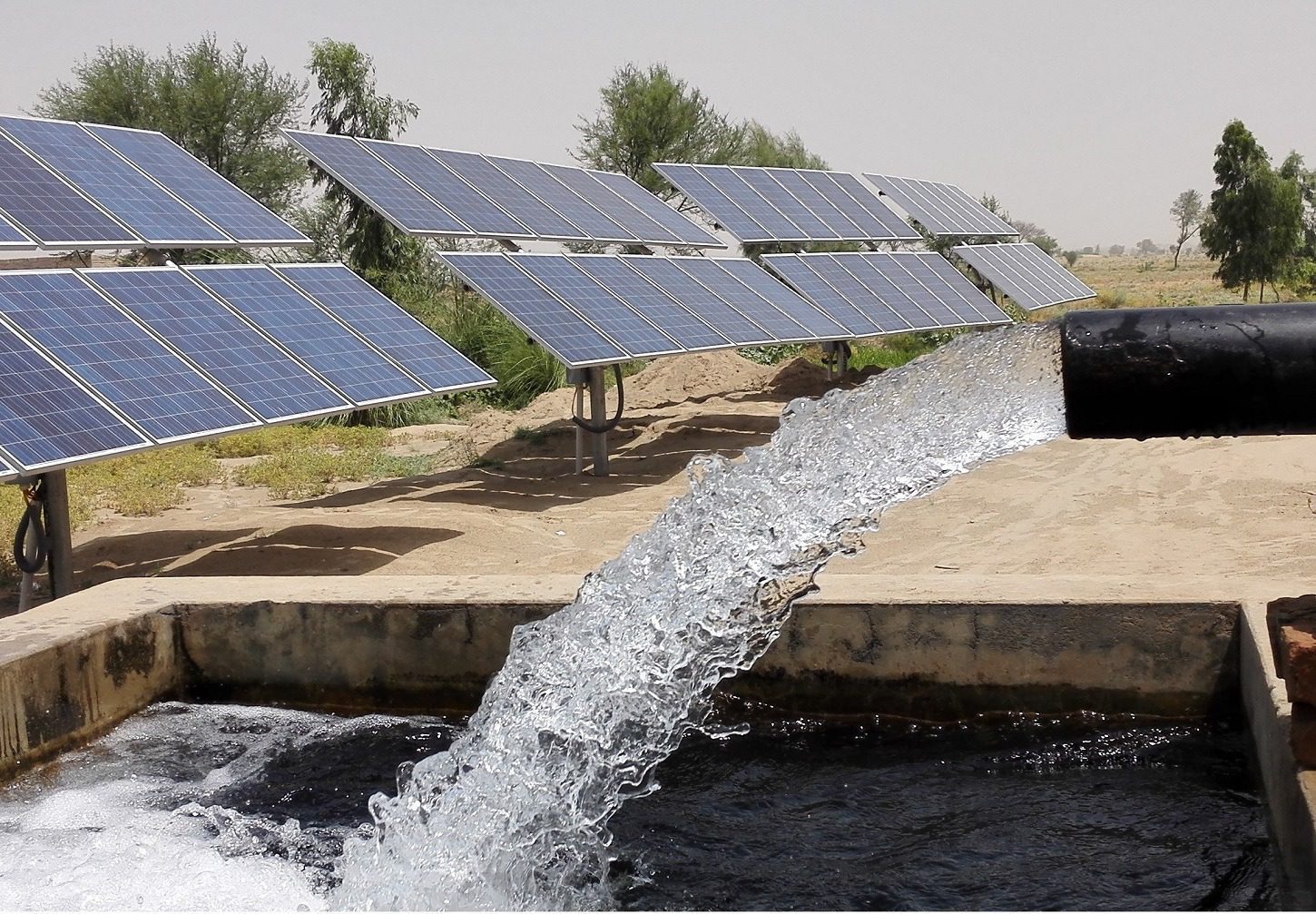
Access to reliable water is essential for homes, farms, and businesses. With frequent power outages and rising electricity costs, many people are turning to solar water pumps as a smart and sustainable solution.
But how exactly do they work?
In this guide, we break it down in a simple way.
What Is a Solar Water Pump?
A solar water pump is a system that uses energy from the sun to pump water from a source such as:
- Boreholes
- Wells
- Rivers
- Water tanks
Unlike electric or fuel-powered pumps, solar pumps run using solar energy, making them cost-effective and eco-friendly.
Main Components of a Solar Water Pump System
To understand how it works, you need to know the key parts:
1. Solar Panels
These capture sunlight and convert it into electricity.
2. Controller (or Inverter)
This regulates the power coming from the panels and ensures the pump operates safely and efficiently.
3. Water Pump
This is the main device that moves water. It can be:
- Submersible pump (placed inside water)
- Surface pump (placed above ground)
4. Storage Tank (Optional but Recommended)
Stores pumped water for use at any time even at night.
Step-by-Step: How a Solar Water Pump Works
Step 1: Sunlight Hits the Solar Panels
During the day, sunlight is absorbed by the panels and converted into electrical energy.
Step 2: Electricity Flows to the Controller
The generated power is sent to the controller, which stabilizes the voltage and directs it to the pump.
Step 3: The Pump Starts Working
The pump uses this electricity to draw water from the source (e.g., borehole or well).
Step 4: Water Is Pumped to Storage or Direct Use
- Water can be pumped into a storage tank
- Or used directly for irrigation, cleaning, or household use
Step 5: System Stops Automatically
When sunlight reduces (evening or cloudy weather), the system slows down or stops.
That’s why having a water storage tank is very important.
Types of Solar Water Pumps
Submersible Pumps
- Installed deep inside water
- Best for boreholes and deep wells
Surface Pumps
- Installed above ground
- Suitable for shallow water sources like rivers or ponds
Benefits of Solar Water Pumps
- No electricity bills
- Works in remote areas without power
- Low maintenance
- Environmentally friendly
- Long-term cost savings
Things to Consider Before Installation
- Depth of your water source
- Daily water requirements
- Size and capacity of the system
- Quality of equipment
- Professional installation