
Switching to solar energy is one of the smartest investments you can make for your home or business. With rising electricity costs and unreliable power supply, solar offers a reliable and long-term solution.
In this guide, we’ll walk you through a simple step-by-step solar installation process to help you understand how it works.
Step 1: Assess Your Energy Needs
Before installing a solar system, you need to know how much power you consume.
Start by:
- Checking your monthly electricity bills
- Listing appliances (TV, fridge, lights, etc.)
- Estimating daily power usage in watts
This helps determine the size of the solar system you need.
Step 2: Inspect Your Roof or Installation Area
Your solar panels need proper placement to work efficiently.
Check for:
- Strong and stable roofing
- Direction (panels should face the sun directly)
- No shade from trees or buildings
In Uganda, panels perform best when facing north or northwest.
Step 3: Choose the Right Solar Components
A complete solar system includes:
- Solar Panels – Capture sunlight
- Inverter – Converts solar energy into usable electricity
- Battery – Stores power for use at night or during outages
- Charge Controller – Regulates power flow
Choosing quality components ensures durability and performance.
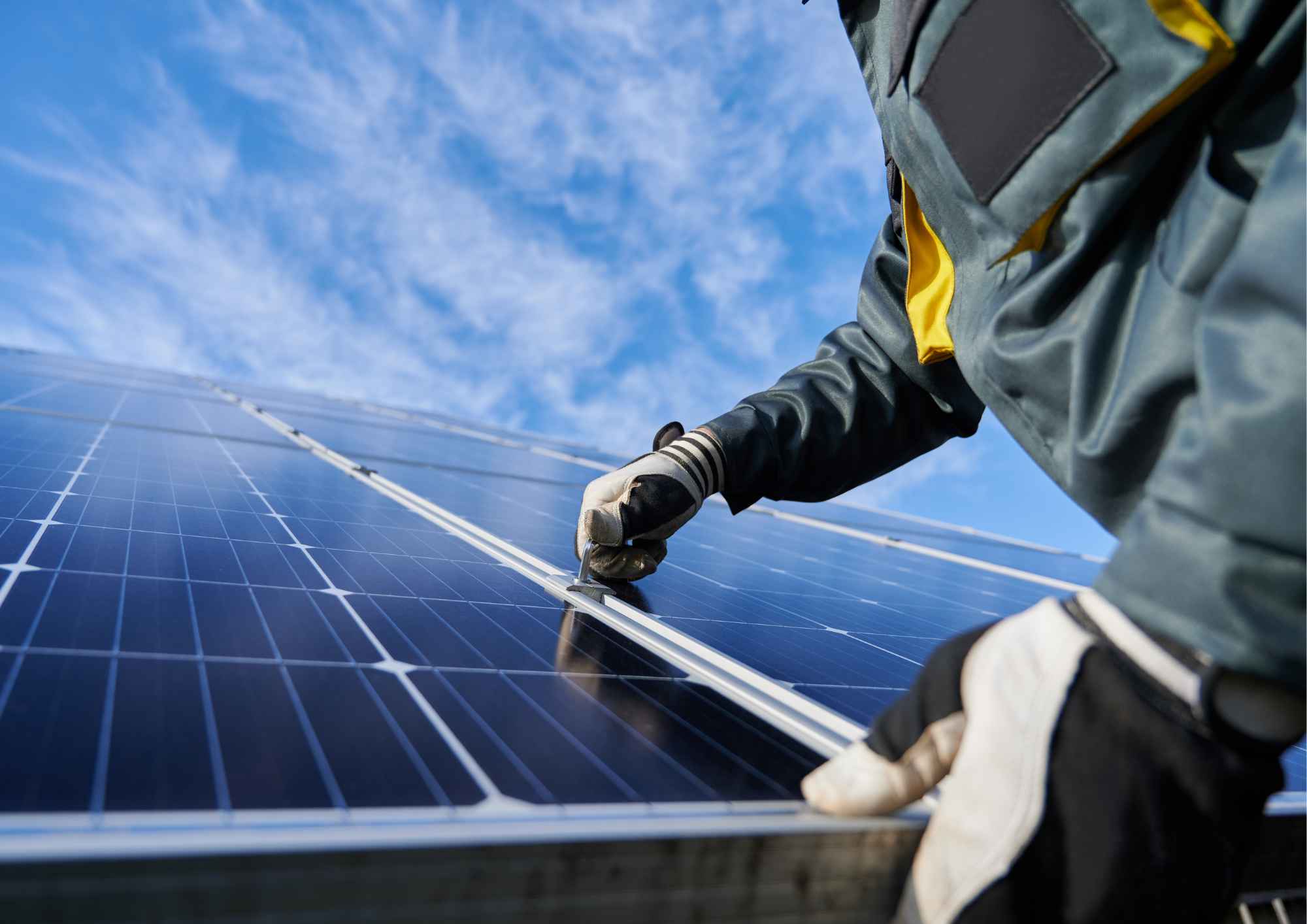
Step 4: Mount the Solar Panels
Now the physical installation begins.
- Install mounting brackets securely on the roof
- Fix panels onto the structure
- Tilt panels at the correct angle for maximum sunlight
Proper mounting is important for efficiency and safety.
Step 5: Connect the Electrical System
This step involves wiring all components together:
- Connect panels to the inverter
- Link inverter to the battery
- Connect the system to your main power supply
This step should be handled by a qualified technician to avoid risks.
Step 6: Install the Battery Storage
Batteries store excess energy for later use.
- Place batteries in a cool, dry area
- Ensure proper ventilation
- Connect safely to the inverter
This ensures you have power even at night or during blackouts.
Step 7: Test the System
Before full use:
- Turn on the system
- Check power output
- Ensure all connections are working properly
Fix any issues before regular operation.
Step 8: Monitor and Maintain Your System
To keep your solar system running efficiently:
- Clean panels regularly (dust reduces efficiency)
- Check battery health
- Inspect wiring occasionally
Proper maintenance increases lifespan and performance.
Final Thoughts
Installing a solar system may seem complex, but with the right planning and professional help, it becomes a smooth process.
Solar energy is:
- Cost-effective in the long run
- Environmentally friendly
- Reliable during power outages
Need Help With Solar Installation?
At Adexa Power World, we provide:
- Professional solar installation
- High-quality solar equipment
- Expert consultation
Contact us today and start your journey to reliable power!